Crafting Tradition: The Enduring Appeal of Southern Pepper Sauce
In the vibrant tapestry of Southern cuisine, certain condiments hold a place of honor, transforming simple meals into unforgettable experiences. Among these cherished staples, Southern Pepper Sauce stands out – a piquant, versatile vinegar-based concoction that has graced supper tables for generations. Far from being just another hot sauce, this beloved condiment offers a unique, tangy heat that brightens a myriad of dishes, embodying the very soul of Southern comfort food. If you're looking to infuse your cooking with authentic regional flavor, mastering the Homemade Southern Pepper Sauce: An Easy Family Recipe is a journey well worth taking.
For many, the mention of Southern Pepper Sauce conjures images of late summer gardens overflowing with ripe peppers, followed by the comforting ritual of preserving their fiery essence for the months ahead. It's a tradition passed down through families, a culinary heirloom ensuring a touch of homemade warmth is always within reach. Whether you prefer a gentle hum of warmth or a bold, fiery kick, this guide will walk you through crafting your own perfect bottle of Southern Pepper Sauce, tailored precisely to your taste.
The Essence of Southern Pepper Sauce: More Than Just Heat
Before diving into the mechanics of a truly great southern pepper sauce recipe, it's crucial to understand what distinguishes it. Unlike thick, intensely concentrated hot sauces, Southern Pepper Sauce is primarily a pepper-infused vinegar. Its purpose isn't to overwhelm, but rather to impart a vibrant tang and a subtle, building heat that complements, rather than competes with, the flavors of the dish. This makes it an indispensable partner for classic Southern fare.
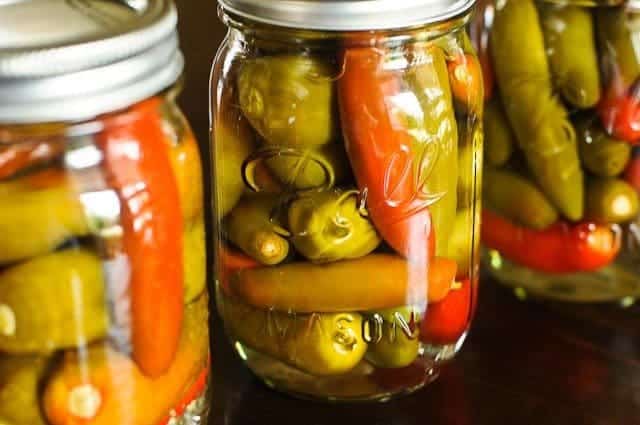
Imagine a dash of this zesty vinegar drizzled over a bowl of steaming collard greens, turnip greens, or a hearty plate of black-eyed peas or pinto beans. The acidity cuts through the richness, while the pepper infusion adds a lively kick. It's equally at home enhancing the savory depth of cornbread, or even cutting through the smokiness of barbecue. Traditionally, families would keep a jar or bottle of this spicy elixir on hand throughout the year, replenishing their stock as the garden yielded its bounty. Some even prefer to mix both red and green peppers in their bottles, not just for the diverse flavor profiles, but for the beautiful, vibrant aesthetic it lends to the supper table.
Why Homemade Reigns Supreme
While some commercial options exist, nothing quite compares to homemade Southern Pepper Sauce. Crafting your own offers unparalleled control over ingredients, heat level, and flavor complexity. It also allows you to tap into a culinary heritage, transforming fresh peppers into a pantry staple with minimal effort. Plus, there's an undeniable satisfaction in knowing you've created a versatile condiment from scratch, ready to Elevate Southern Dishes with Authentic Pepper Vinegar in your own kitchen.
Your Personalized Southern Pepper Sauce Recipe: Ingredients & Customization
One of the most appealing aspects of a traditional southern pepper sauce recipe is its simplicity. You only need a handful of core ingredients, allowing the natural flavors of the peppers to shine. However, this simplicity also provides a blank canvas for customization, letting you dial the heat from mild to fiery according to your preference.
The Essential Ingredients:
- Fresh Peppers: The star of the show! A mix of varieties often yields the most complex flavor.
- White Vinegar: Its sharp acidity is crucial for infusion and preservation.
- Water: Used to slightly dilute the vinegar, mellowing its intensity without compromising flavor.
- Garlic Cloves: An optional, but highly recommended, aromatic addition that adds depth.
Choosing Your Peppers: A Spectrum of Heat
The beauty of this recipe lies in its adaptability. You can use virtually any pepper variety, making it a perfect use for your garden's harvest or an exciting experiment with new flavors. Here’s how different peppers can influence your sauce:
- For a Mild to Medium Heat:
- Jalapeño Chiles: Offering a bright green color and a manageable medium heat.
- Red Fresno Chiles: Often mistaken for red jalapeños, these are slightly sweeter and a touch spicier.
- Banana Wax Peppers: Characterized by their yellow hue and wonderfully sweet, mild flavor, perfect for adding a gentle warmth without overwhelming the palate.
- Bell Peppers (small amounts): While not traditional for heat, a small piece can add sweetness and color without spice.
- For a Fiery Kick:
- Serrano Chiles: Significantly hotter than jalapeños, these will give your sauce a noticeable punch.
- Tabasco Red Peppers: Small but mighty, these are classic for a reason, delivering a clear, sharp heat.
- Thai Chiles (Bird's Eye): For those who truly love heat, a few of these will elevate your sauce to a scorching level.
- Habanero or Scotch Bonnet (use sparingly!): If you dare to venture into extreme heat, these can be used, but proceed with caution and very small quantities.
Pro Tip: Don't be afraid to mix and match! A combination of mild and hot peppers creates a more nuanced flavor profile. For instance, combining jalapeños with a few serranos offers a lovely balance of flavor and heat. Remember, green peppers are typically harvested earlier and are less ripe than their red, yellow, or orange counterparts, often affecting both flavor and price.
Optional Flavor Enhancements:
- Olive Oil: A teaspoon of olive oil added to the jar can surprisingly enhance the perception of heat and add a subtle richness.
- Garlic: While optional, a couple of peeled garlic cloves infuse the vinegar with a savory background note that complements the peppers beautifully. These are typically discarded before bottling, but their essence remains.
The Simple Steps: Crafting Your Southern Pepper Sauce
Making your own pepper sauce is surprisingly straightforward, requiring just a few key steps. This recipe is typically scaled for a one-pint jar, a perfect size for home use and sharing.
Step-by-Step Guide:
- Prepare Your Peppers: Begin by washing your chosen peppers thoroughly. Important: Always wear plastic or nitrile gloves when handling hot peppers to protect your hands from irritating capsaicin oils. Using a sharp knife, carefully split each pepper lengthwise. This allows the heat and flavor to infuse more effectively into the vinegar.
- Prepare Your Container: Place the split peppers into a clean, sterilized canning jar, glass bottle, or any other airtight, heat-proof container. If using garlic, add the peeled cloves to the jar now.
- Boil the Vinegar Mixture: In a small saucepan, combine your white vinegar and water. Bring the mixture to a rolling boil over medium-high heat. If you added garlic cloves directly to the saucepan for a stronger infusion (rather than in the jar with peppers), you can now remove and discard them; their flavor has already been extracted.
- Combine and Infuse: Carefully pour the hot vinegar and water mixture directly over the peppers in your prepared jar. Ensure the peppers are fully submerged.
- Cool and Seal: Allow the jar to cool completely to room temperature. Once cool, secure the lid tightly.
- Maturity is Key: While your Southern Pepper Sauce will be ready to use overnight, its flavor and heat will intensify significantly over the next few days, and even more so over weeks. For optimal flavor, allow it to sit for at least 3-5 days before truly enjoying. The longer it sits, the richer and hotter it becomes.
Serving Suggestions & Culinary Pairings
Once your homemade Southern Pepper Sauce has had time to mature, it's ready to elevate a wide array of dishes. Its versatility is truly one of its greatest assets:
- Southern Comfort Staples: This is where it truly shines. Drizzle generously over collard greens, turnip greens, mustard greens, black-eyed peas, pinto beans, butter beans, or any other Southern-style pea or bean dish.
- Cornbread Companion: A few drops on a warm slice of cornbread provide a delightful tangy kick. Some even add a dash to their cornbread batter before baking.
- BBQ & Grilled Meats: Enhance grilled chicken, pork, or even a brisket sandwich with a splash for a bright, spicy contrast.
- Soups & Stews: A dash can brighten and add depth to hearty stews, gumbos, or chili, cutting through richness and adding a subtle warmth.
- Seafood: Surprisingly, it's fantastic with oysters (raw or fried), adding a zesty zing. Try it on fried fish or shrimp for an extra kick.
- Eggs: Spice up scrambled eggs or omelets with a few drops for an unexpected flavor boost.
Storage and Longevity
Your homemade Southern Pepper Sauce, thanks to its high vinegar content, is remarkably shelf-stable. Store it in a cool, dark place like your pantry. While it will keep for several months, and even up to a year or longer, the flavor is generally at its peak within 6-12 months. Over time, the peppers will continue to infuse the vinegar, deepening the flavor and heat. You may even notice the peppers softening and their color leaching into the liquid, which is perfectly normal and a sign of ongoing infusion.
Embrace the Tradition
Crafting your own Southern Pepper Sauce is more than just following a recipe; it's an embrace of Southern culinary tradition, a connection to garden bounty, and a celebration of flavor. With its remarkable versatility and customizable heat, this pepper-infused vinegar is sure to become a beloved staple in your kitchen. So gather your peppers, don your gloves, and prepare to create a condiment that will bring a touch of the South's warm, spicy charm to every meal.
